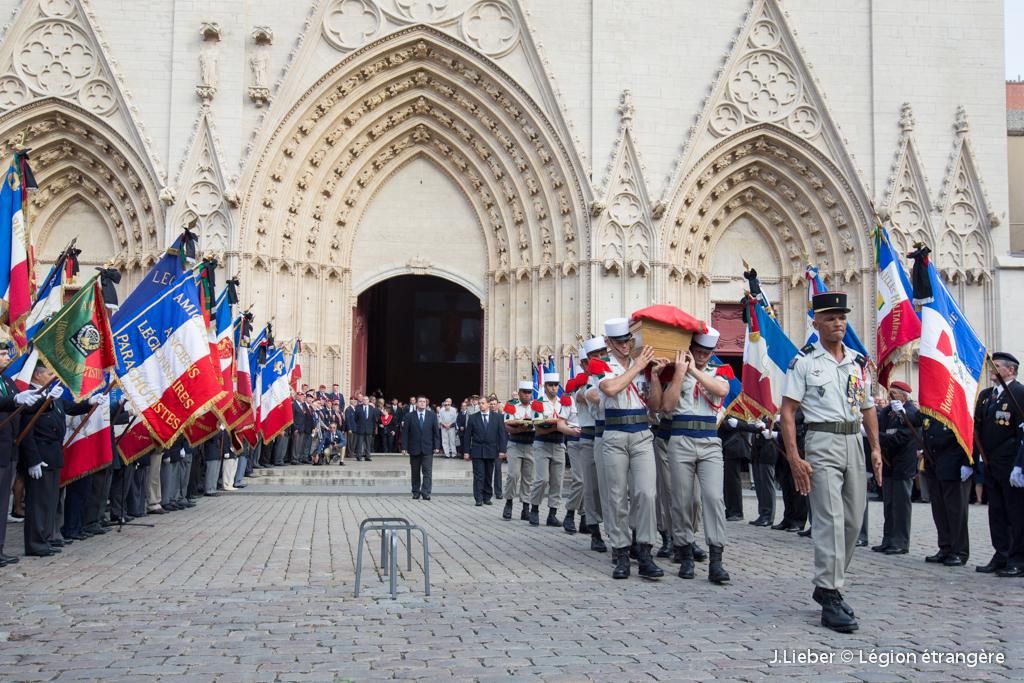






All this is happening above our heads
The Sky and the Legionnaire
One might think it's the title of a fairy tale. It's not. Simply a parallel one might dare to draw. It's risky, but on closer inspection…
The war memorial in Aubagne displays, in its gilded splendor, the countries where the Legion has fought throughout its history.
In Sidi Bel Abbès, our predecessors began their careers at the foot of this monument and returned there tirelessly to finish their journey.
Stone by stone, this symbol was dismantled and brought back to Aubagne, where today's legionnaire begins and ends his time in the Legion. At the foot of the Boule, as some say.
All one sees is the gold, symbolizing the battles fought by this troop that came from everywhere to fight everywhere. There is nothing more powerful.

But what would a globe be if each country from which a legionnaire hails were represented by a tiny light? This sphere would surely shine brightly, so great is the universality of the Legion. A true star.
Childhood Sky.
Coming from all corners of the Earth, the legionnaire carries with him his memories and hopes, his joys and disappointments. The sky of his childhood accompanies him: that of the South marked by the Cross, that of the North illuminated by the dawns.
His youth was swaddled in warm blankets, while another yearned only for a bit of coolness "under the burning African sun."
In his first unit at Castelnaudary, he realizes how many differences the Earth holds between people: language, skin color, religion, traditions, way of eating, culture.
In short, an absolute diversity among these individuals who will become legionnaires, forming a single Legion.
Diversity, you say?
His youth was swaddled in warm blankets, while another yearned only for a bit of coolness "under the burning African sun."
In his first unit at Castelnaudary, he realizes how many differences the Earth holds between people: language, skin color, religion, traditions, way of eating, culture.
In short, an absolute diversity among these individuals who will become legionnaires, forming a single Legion.
Diversity, you say?
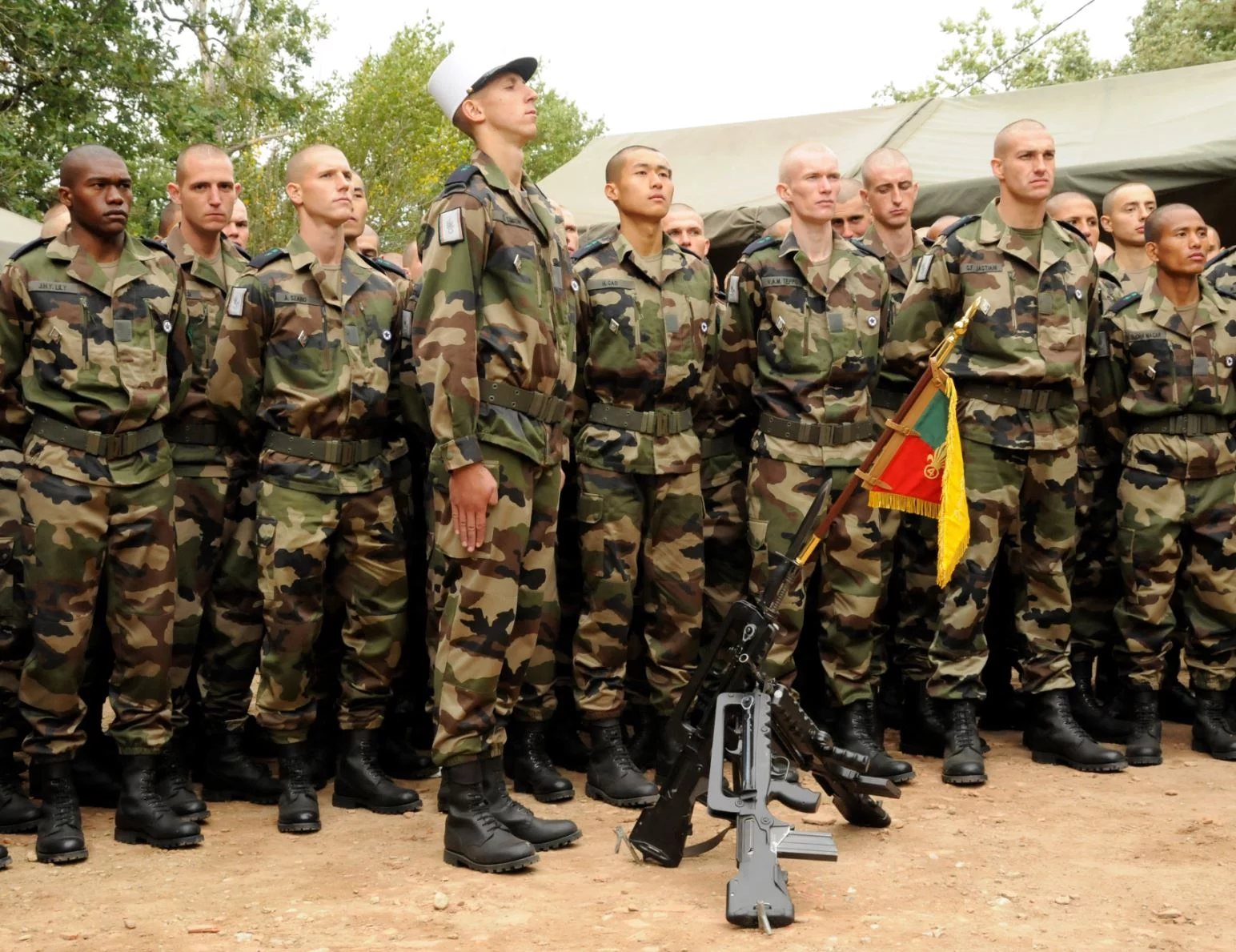
But the sky is precisely that. A space of deadly coldness, stars proudly displaying different colors, the presence of all shapes: comets with rounded, threadlike tails, asteroids so grotesque that astronomers christen them with the unflattering name of potato-shaped stars, spiral galaxies, barred galaxies, irregular galaxies. Blue planets, red planets, planets adorned with a ring.
I will always remember, during my first stay in Castelnaudary, as a section leader in training, the astonishment of some of the recruits discovering snowflakes for the first time. Awestruck as much as incredulous.
My second-in-command was an Indian man, Sergeant B. He, on the other hand, made a bitter observation: "Castel is just like back home in India, it rains all the time because of the monsoon!"
He was exaggerating just a little. A year later, in French Guiana, by chance, his cousin also became my second-in-command. And there, he could compare the amount of rain that fell. It was something else entirely. The sky was falling on our heads.
I will always remember, during my first stay in Castelnaudary, as a section leader in training, the astonishment of some of the recruits discovering snowflakes for the first time. Awestruck as much as incredulous.
My second-in-command was an Indian man, Sergeant B. He, on the other hand, made a bitter observation: "Castel is just like back home in India, it rains all the time because of the monsoon!"
He was exaggerating just a little. A year later, in French Guiana, by chance, his cousin also became my second-in-command. And there, he could compare the amount of rain that fell. It was something else entirely. The sky was falling on our heads.
Sky of the journey.
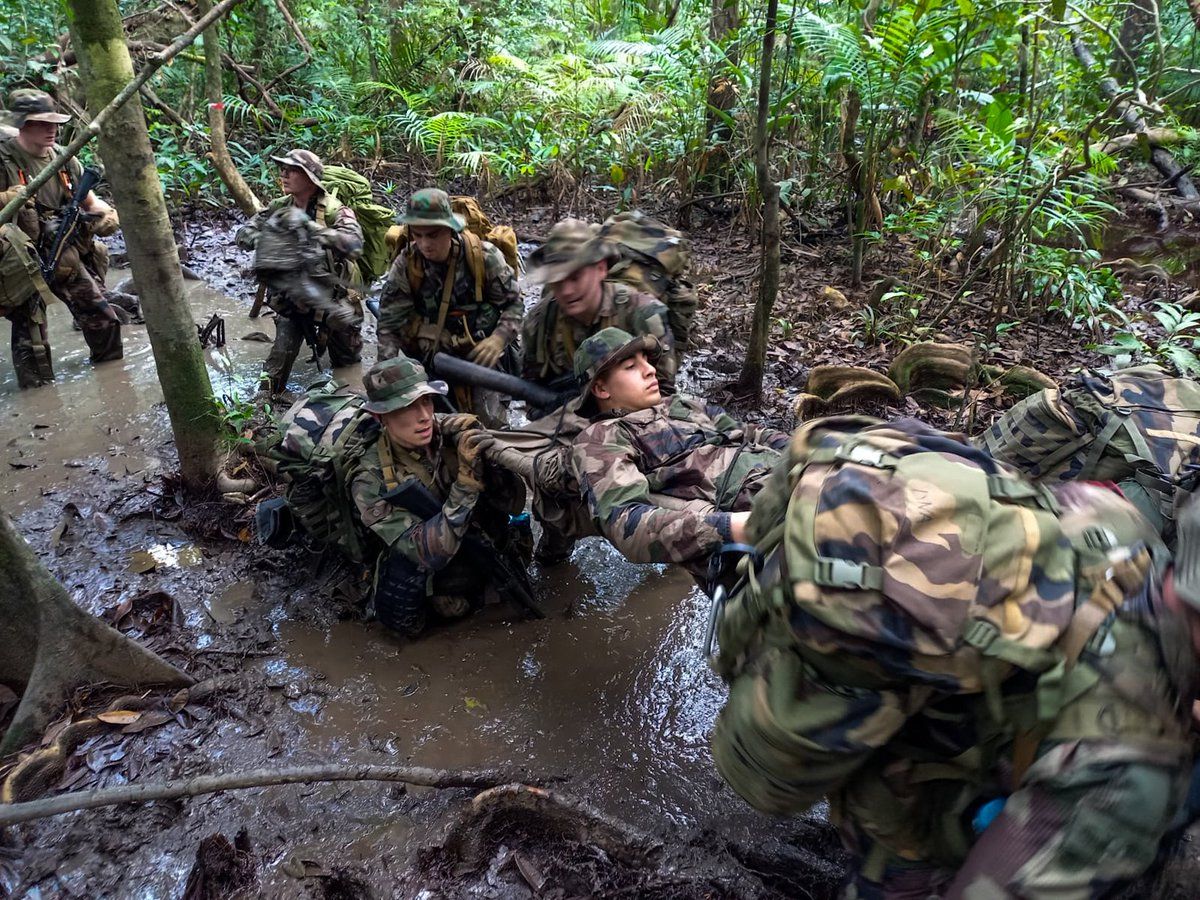
To earn the White Kepi, some have undertaken a long journey. Crossing countries and continents to reach Aubagne, how many nights were spent outdoors, under the stars—not the ones painted on the facades of hotels or palaces, but the real ones, the ones of cavemen, pharaohs, or the Magi. A fantastic canopy for a bed of misery.
Perhaps the crescent moon seemed to smile upon him, a promise of better days for the Legion.
He certainly didn't look to the sky like the Magi for guidance, but undoubtedly to strengthen his conviction, wiping the slate clean and turning towards a new future.
Like Moses advancing through the desert, driven by an invisible force, he walks towards his destiny accompanied only by myriads of stars. Having the sky as his witness.
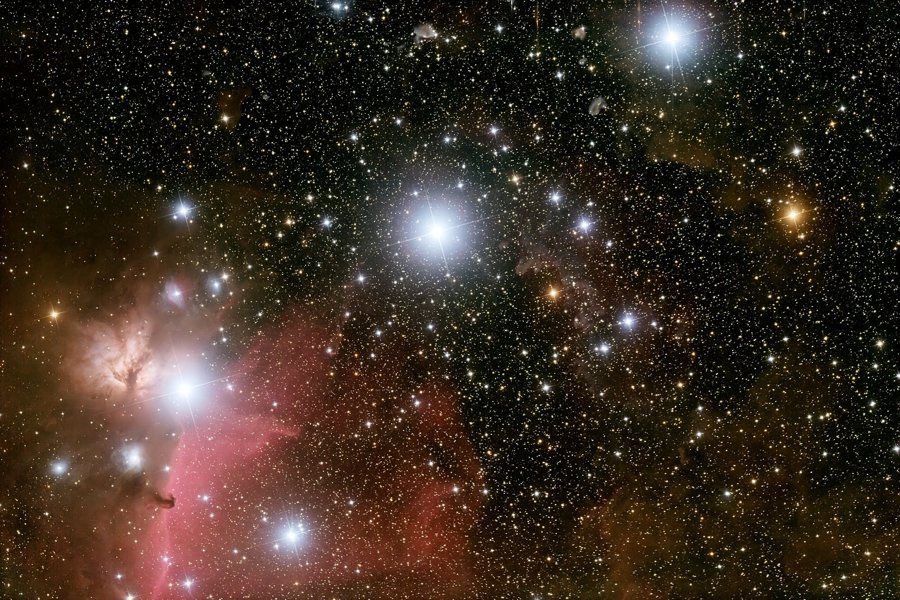
Sky seen at the Legion.
Who better than you, legionnaire, has known all the skies imaginable?
At every moment of your life, it is present with you, even if for some, it is unconsciously.
During your relaxing evenings by the Mururoa lagoon, or accompanying you with its pale glow during your guard duty in the desert. There, the stars seem so close you could almost reach out and touch them.
The sky over Mayotte is so clear that sometimes the stars seem to rise from the water and, on the other side, rush back into it.
How can one not mention Djibouti's sky? In Mascali, at Heron Beach, or in the Gabode district, some nights are magical, so numerous are the stars. A few nights spent in Yoboki, Arta, or Ouéah were the most beautiful of my life as an amateur astronomer. I will never see such magnificence again in mainland France.
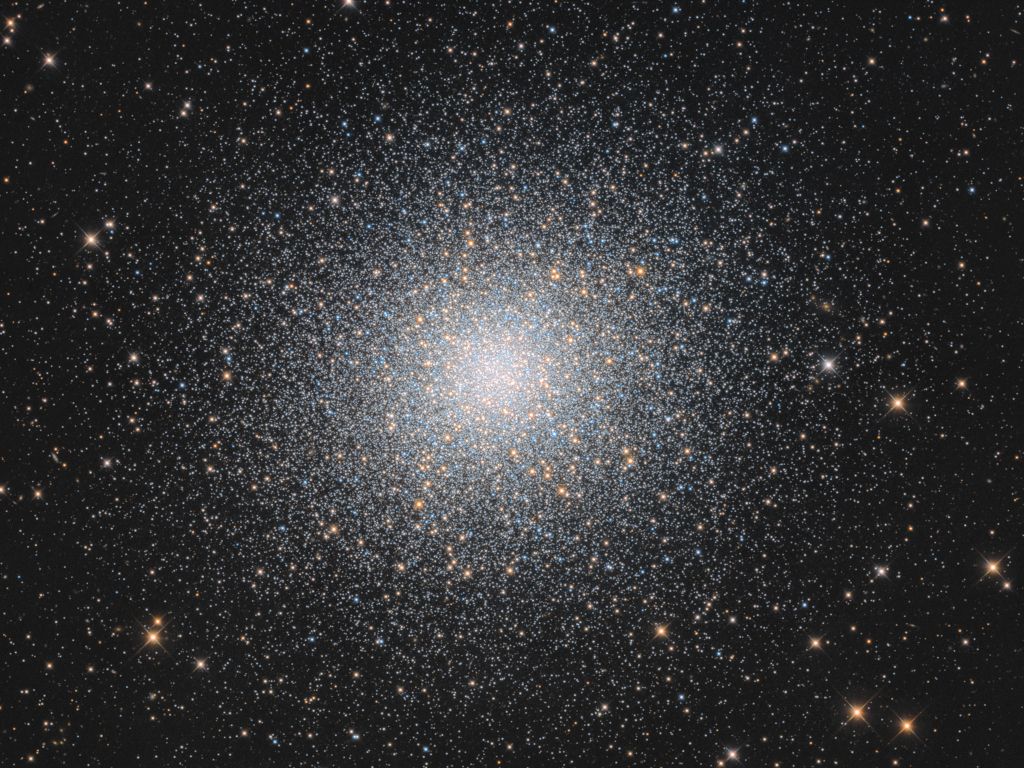
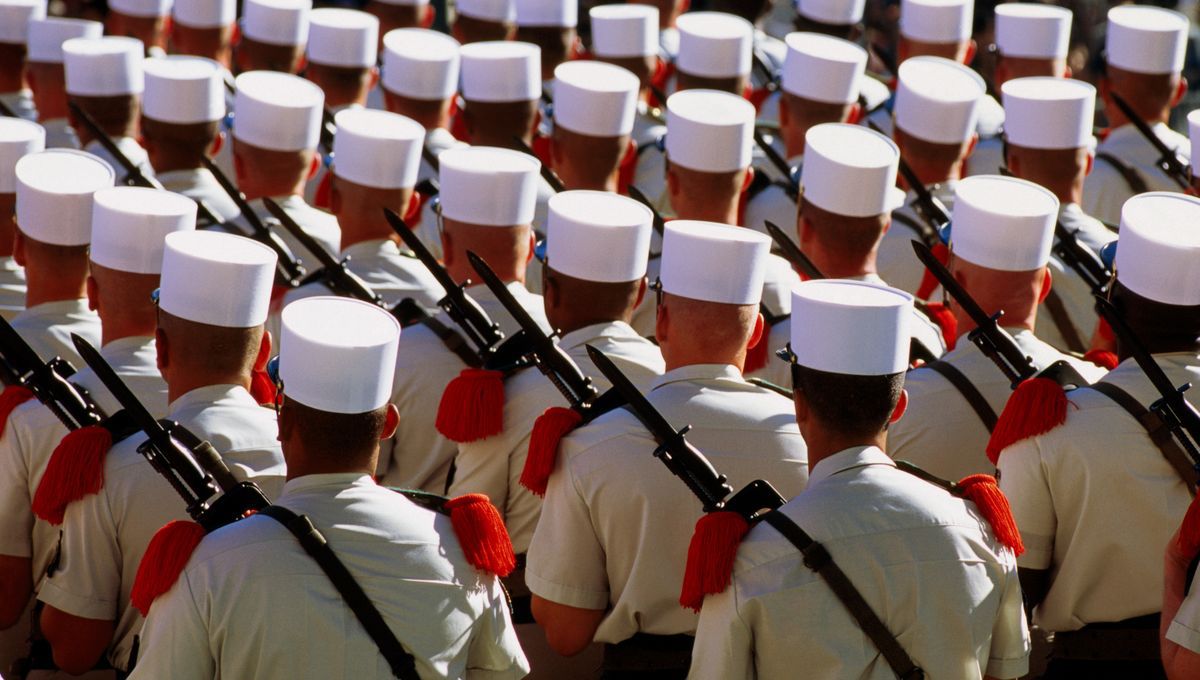
Today, the legionnaires of the 13th no longer enjoy this Djibouti sky, but I am sure, having spent evenings there, that the Larzac plateau is rich in all kinds of objects: star clusters, galaxies, nebulae…
I think of our other legionnaire comrades who are curious enough to look up at night, during marches, guard duty, bivouacs, and exercises.
The Albion Plateau for the sapper the legionnaire of the 2nd Foreign Engineer Regiment (2°REG) isn't bad either. Moreover, he's a mountain man. So, above 1,000 meters altitude, he's not entitled to just a few stars, but to more than all the stars of the French Army generals combined.
Having built a telescope at 6 o'clock, the Ardoise sky also allows one to plunge into the celestial immensity, thanks to the Mistral wind that clears the skies.
Carpiagne and Calvi also benefit from a more pleasant sky than if they were garrisoned in Colmar or Douarnenez.
I think of our other legionnaire comrades who are curious enough to look up at night, during marches, guard duty, bivouacs, and exercises.
The Albion Plateau for the sapper the legionnaire of the 2nd Foreign Engineer Regiment (2°REG) isn't bad either. Moreover, he's a mountain man. So, above 1,000 meters altitude, he's not entitled to just a few stars, but to more than all the stars of the French Army generals combined.
Having built a telescope at 6 o'clock, the Ardoise sky also allows one to plunge into the celestial immensity, thanks to the Mistral wind that clears the skies.
Carpiagne and Calvi also benefit from a more pleasant sky than if they were garrisoned in Colmar or Douarnenez.
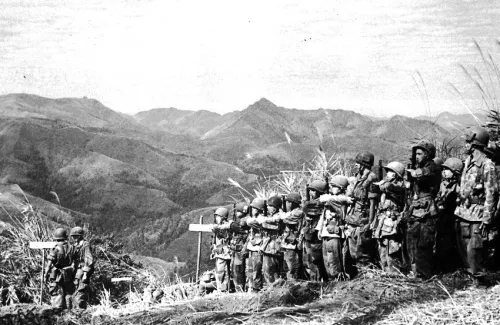
In this review of the legionnaires' skies, how can we not mention the sky at the supreme moment of leaving the world of the living to reach, according to the traditional phrase, the final bivouac? It is the last refuge for a final thought, a final communion, a final prayer. After the fury of battle, far from his birthplace, a distant land will receive his remains: mud for a burial ground and the sky for a tombstone. Our veterans of the RMLE in the trenches, our heroes of Indochina on the hills of Dien Bien Phu.
Having given their all, they had only the gaze of the stars to accompany them in their ultimate sacrifice. May heaven bless them.
Having given their all, they had only the gaze of the stars to accompany them in their ultimate sacrifice. May heaven bless them.
The retiree's sky.
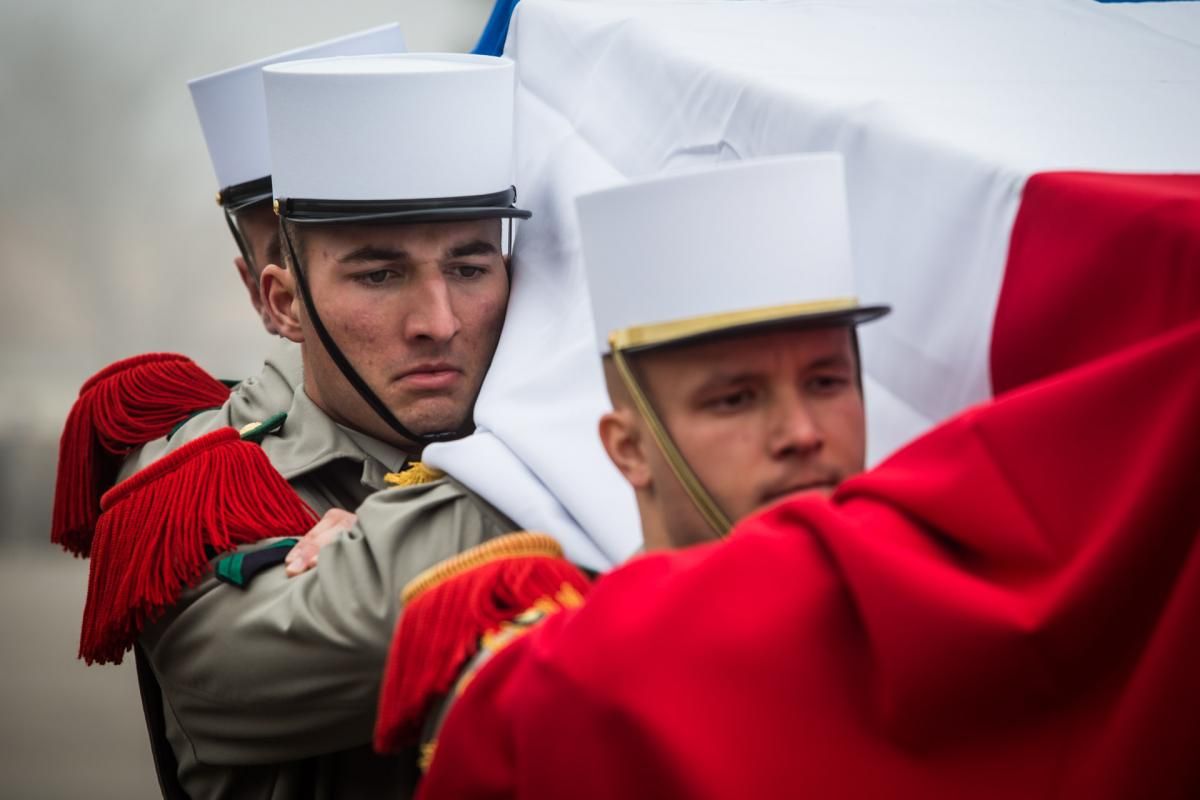
Time has passed. For fifteen years he did this hard work. Aubagne witnessed his farewell to the Institution. Whether he remained in France or returned to his native land, he will forever bear this indelible mark of his time in the Legion. Branded with a red-hot iron. With the seven-flamed grenade.
His presence in veterans' associations confirms that he has not forgotten those moments among his comrades who came from everywhere. Has he forgotten some who left him along the way? Does he turn his eyes to the sky, personifying this or that star, thinking: that's my friend waiting for me?
With time, the list of those who leave the train of our lives grows longer and longer. It's a veritable litany.
I remain convinced that, without having become a fervent astronomer, some of these men can't help but look up during nighttime walks and exchange a few thoughts in nostalgic memories, like a secret communion, without intermediaries.
The sky becomes the interface for speaking to those left behind.
Memories
Rewinding the film of our lives, as we all do when they reach their end, certain images resurface from the past.
How could I forget Corporal P, a Norwegian from my section in the 3rd REI? We were at Saut Maripa, on the Oyapock River, before continuing on to Camopi. The night was wonderful, and even though the river's gentle murmur, like a lullaby, made a soft sound, we couldn't sleep. For much of the night, I had the privilege of a private conversation with my corporal, who spoke to me of his childhood and his family, in hushed tones, evoking memories of the Northern Lights. It was a deeply nostalgic moment. I sensed that through his stories, he was talking about his origins, his life. It had been a long time since he'd had to do so.
The sky was merely a backdrop. It was a special moment when all you had to do was listen, discreetly and respectfully. We were simply spectators of these moments when the legionnaires opened up. So many messages were conveyed that night, with the sky as witness. Thinking back on it only amplifies the feeling of having lived through exceptional moments among these men.
How could I forget Corporal P, a Norwegian from my section in the 3rd REI? We were at Saut Maripa, on the Oyapock River, before continuing on to Camopi. The night was wonderful, and even though the river's gentle murmur, like a lullaby, made a soft sound, we couldn't sleep. For much of the night, I had the privilege of a private conversation with my corporal, who spoke to me of his childhood and his family, in hushed tones, evoking memories of the Northern Lights. It was a deeply nostalgic moment. I sensed that through his stories, he was talking about his origins, his life. It had been a long time since he'd had to do so.
The sky was merely a backdrop. It was a special moment when all you had to do was listen, discreetly and respectfully. We were simply spectators of these moments when the legionnaires opened up. So many messages were conveyed that night, with the sky as witness. Thinking back on it only amplifies the feeling of having lived through exceptional moments among these men.

In 2005, I created "Ciel, mon ami" (Heaven, My Friend), my association. And I was fortunate enough to "recruit" Julien Lison, who had been Mr. Coudié's deputy for many years. For 11 years, he accompanied me to our public events.
A bit like a scout doing his good deed, believing his prayer, we never once failed to briefly reminisce about our Legion memories: our fountain of youth.
A bit like a scout doing his good deed, believing his prayer, we never once failed to briefly reminisce about our Legion memories: our fountain of youth.
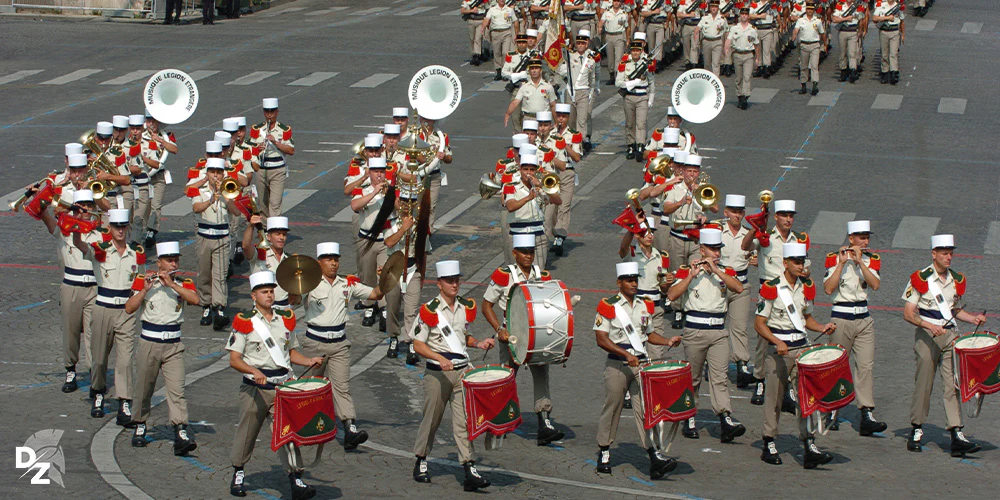
With my association, every Saturday during the summer, we're on the beach at Marseillan Plage. Many years ago, I pointed out the sun to those present. A man walked by, whistling the song of the 2nd Foreign Parachute Regiment (2°REP). I recognized a corporal I'd served with in the 13th Foreign Parachute Regiment (13e), and later in Aubagne. He owns an apartment right next to where we set up. For years, I've had the privilege of seeing him again, and he and his family and friends honor me by coming to listen to my talks. Thank you, Corporal.
Another little memento of the parallels between my time in the Legion and my passion.
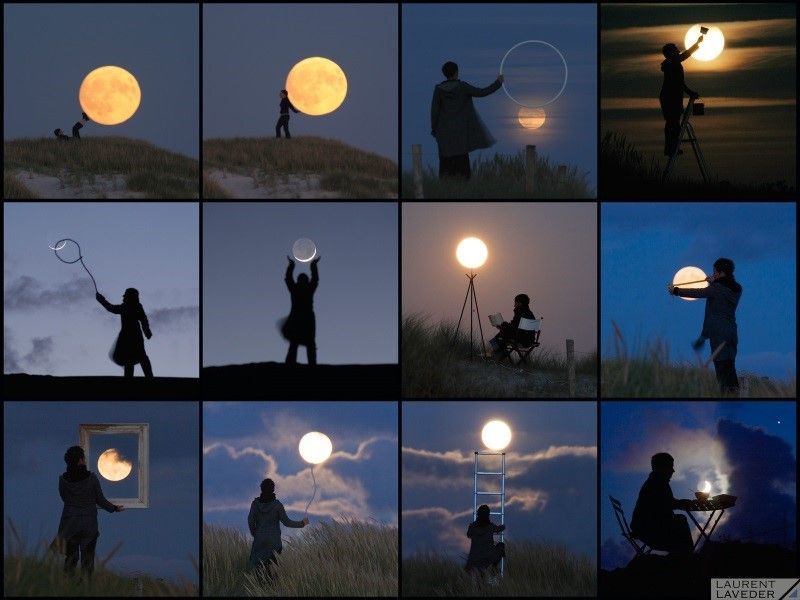
In Aubagne, as head of General Services, on first quarter moon evenings, I would set up the telescope in front of my office, just outside the barracks. It was practically an obligation for the legionnaires leaving Viénot to look at the craters, the lunar mountains. I always felt a real sense of joy seeing their eyes light up as they discovered this magical spectacle of the moon so close you could almost touch it.
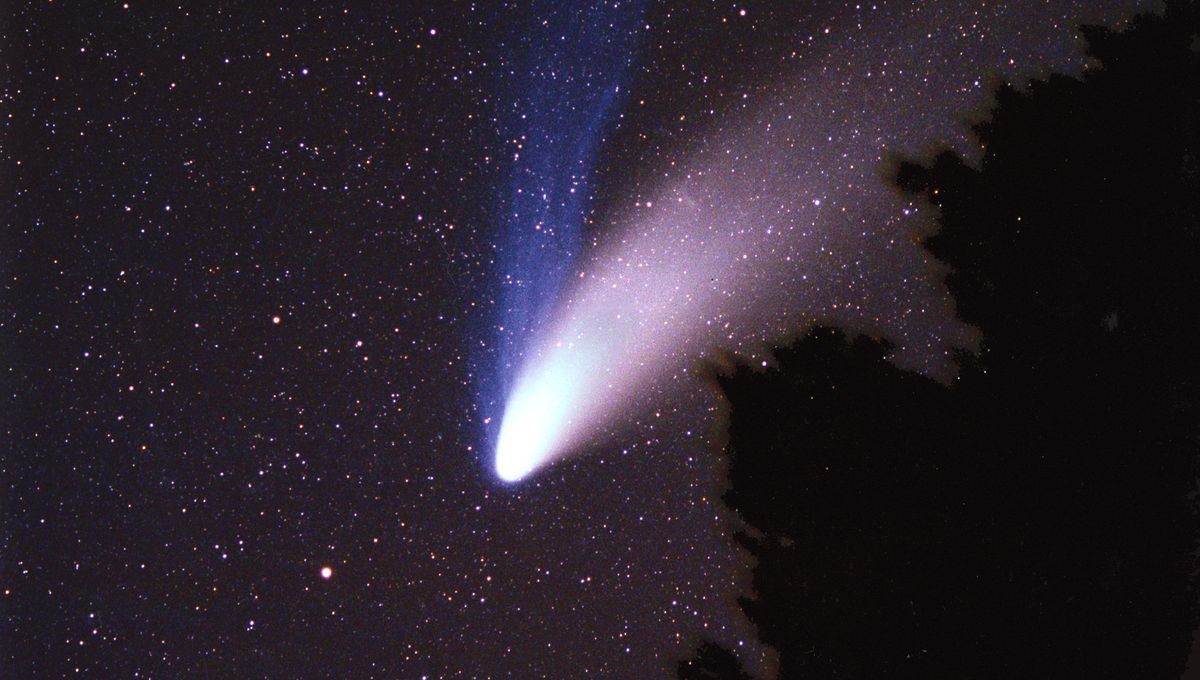
In this around the same time, in October 1996, I had the incredible luck to learn that a comet had just been discovered. It was very far away and hadn't yet unfurled its tail. It was just an ugly blob. Throughout the winter, a group of regulars and I watched for the comet's arrival. In April 1997, it was visible to the naked eye, magnificent in the sky. It was Hale-Bopp, the most wonderful comet of recent decades.
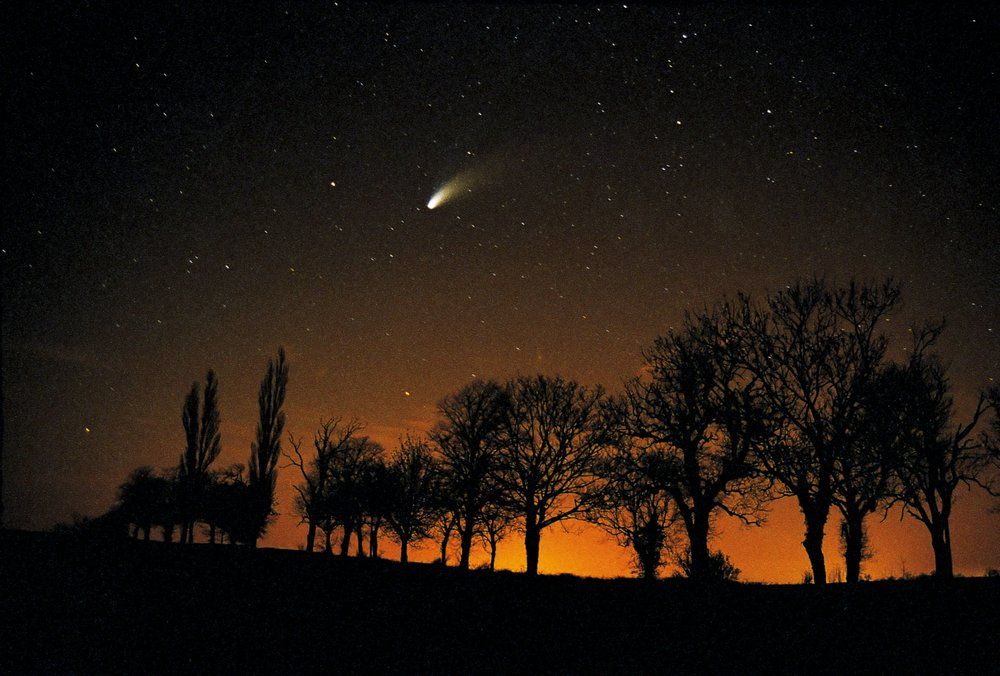
Legionnaire, my friend, you who are reading this article, now that you're enjoying the good life of retirement, take the time to step away from the television screen. A wonderful sky awaits you outside. Grab your fleece, sling your binoculars over your shoulder, and pull on your hat. Get away from the glare of our city lights, or wait until your village mayor, in the interest of saving money, turns off the streetlights.
Immerse yourself in these stellar beauties, where enigmas, brilliance, and darkness intertwine. Despite the diversity, it is all one. Like the Legion.
Rewind the film of your life, see yourself again on these lands where you had only the sky to confide your joys and sorrows to.
Like the Legion, the sky is not static; it is constantly renewing itself.
May it continue to light your path with the power of its stars, like the Milky Way, or according to your imagination, like Van Gogh. Then, it will have become your friend.
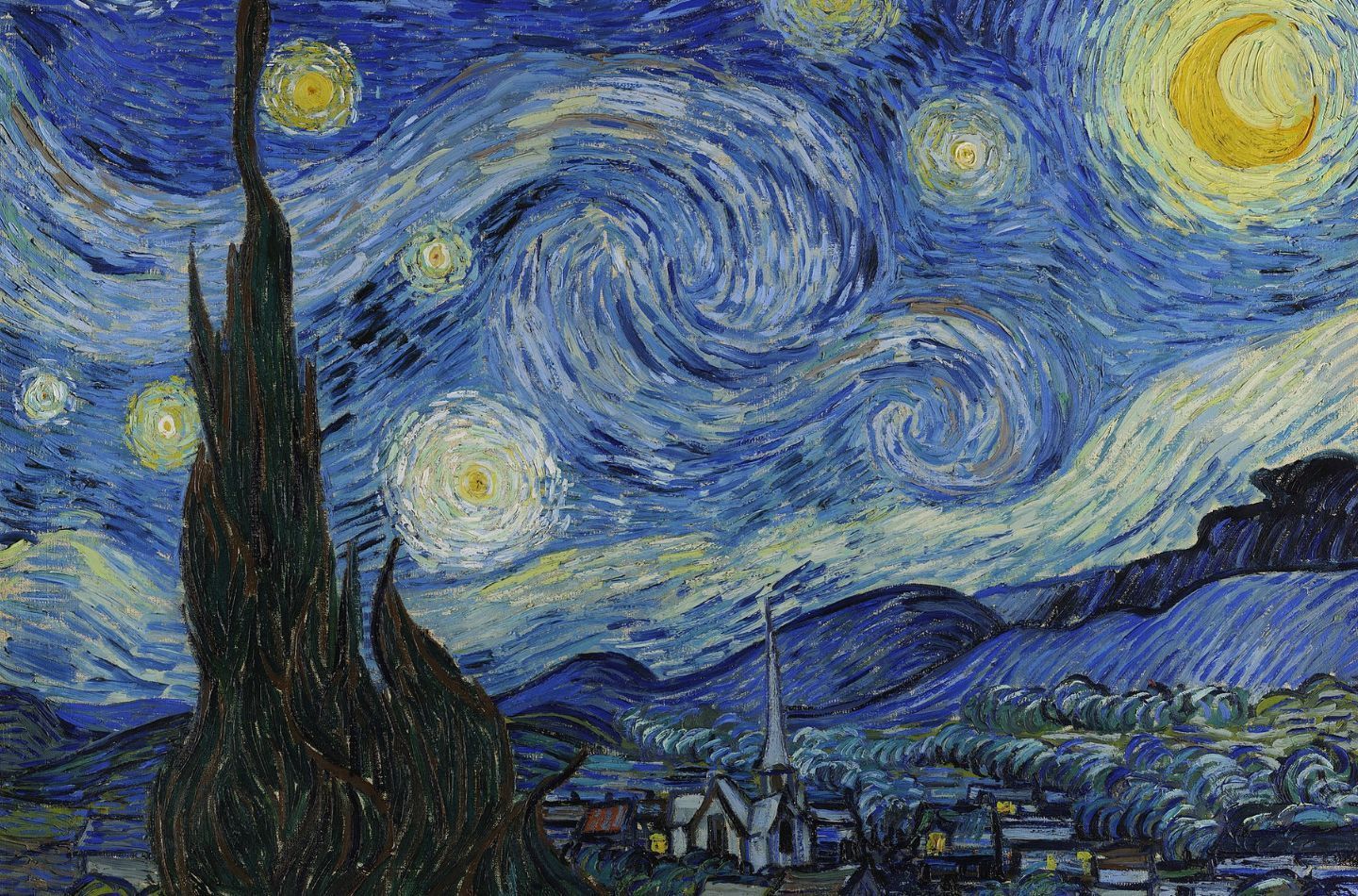
Scientists will surely howl. But no one can stop us from thinking, like the heroes of antiquity who found themselves immortalized in the sky, that these stars are but a reminder of our former comrades who gave everything to the point of becoming immortal in their turn in the eyes of Humanity. With the respect we owe them.