





All this is happening above our heads
Modern tools for amateur astronomers.
Gone are the days when we had to wait for night to envelop us and gradually reveal its beauty by lighting up the stars, one after another.
Only then could we discover an intruder in a particular constellation: a planet passing through on its eternal journey around the Sun; or even better: the ultimate surprise, the presence of a comet.
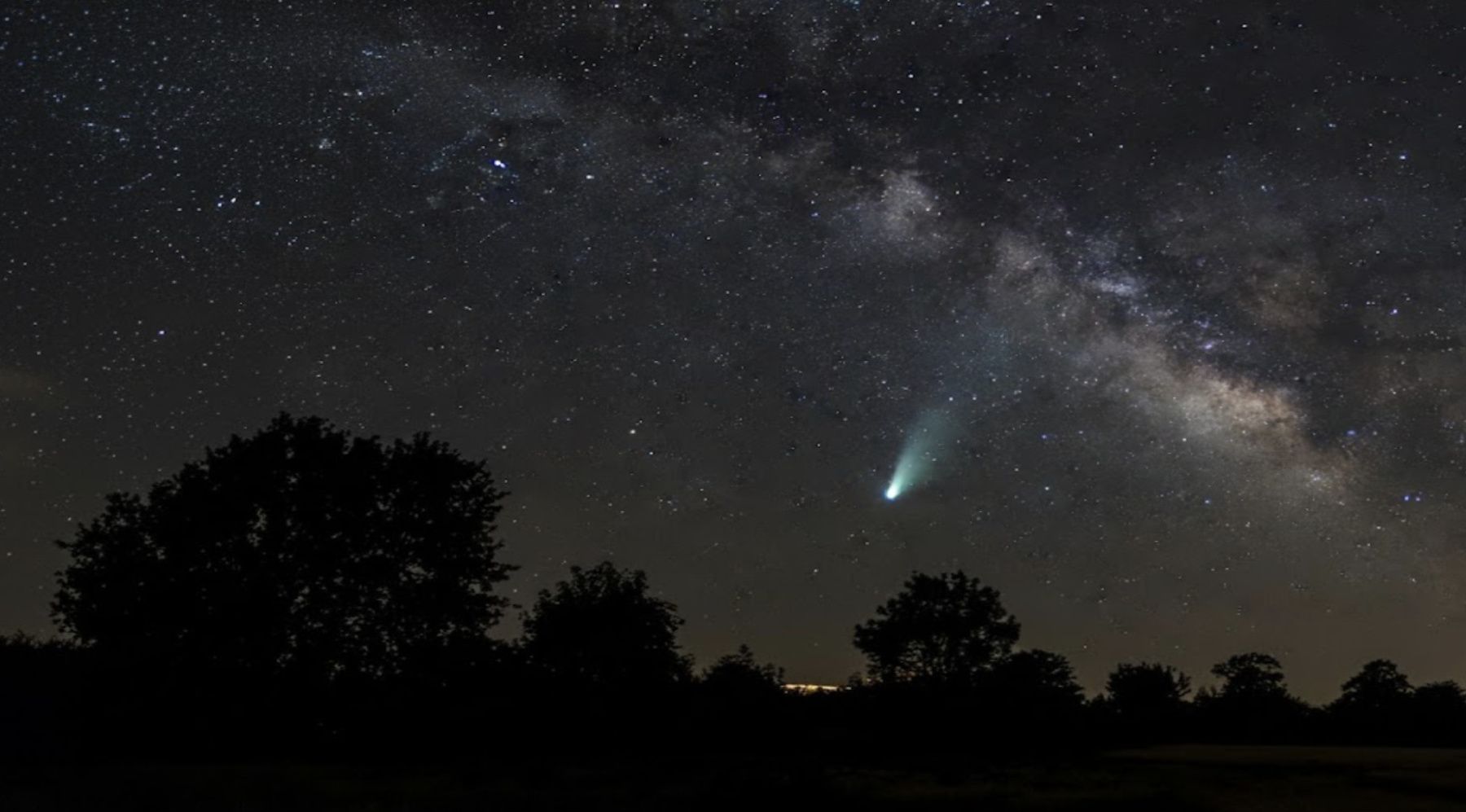
Today, we plan our stargazing evenings. Thanks to computer tools, there are no more surprises. We know exactly where to point the telescope to find Saturn adorned with its rings, Jupiter and the dance of its four moons, and Venus in the form of a crescent.
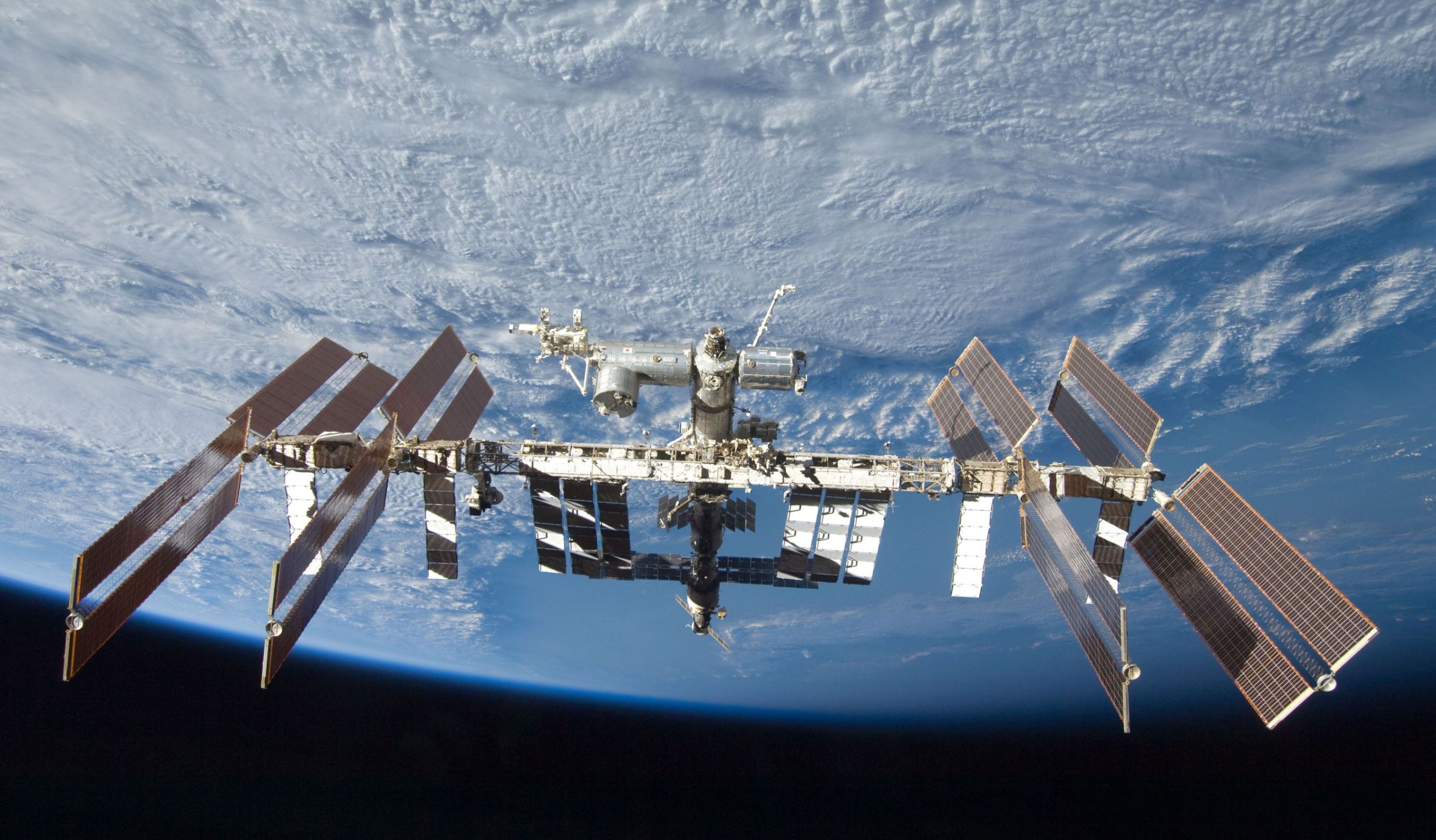
The highlight of the evening: we invite the audience to look towards a very specific point in the sky, and at the appointed minute, we point a laser at this small luminous object that will slowly traverse the celestial vault: the ISS, the International Space Station. Down to the exact hour, to the second. Enough to make our SNCF railway workers dream!
The highlight of the evening: we invite the audience to look towards a very specific point in the sky, and at the appointed minute, we point a laser at this small luminous object that will slowly traverse the celestial vault: the ISS, the International Space Station. Down to the exact hour, to the second. Enough to make our SNCF railway workers dream!
Also, eager to share this knowledge, I'm going to invite you to install two incredibly effective and safe programs on your computer or mobile phone that will delight you and thrill your loved ones.
First, on your computer.
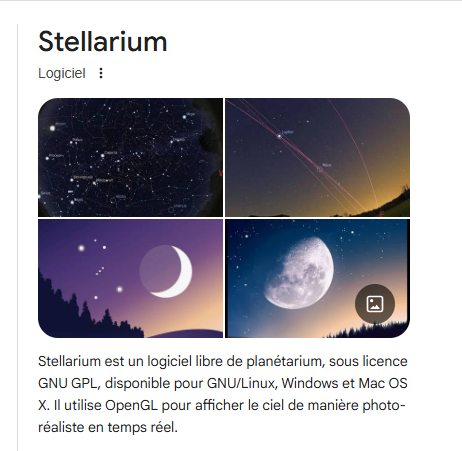
In previous sections, I often used screenshots to recreate the sky of a particular era, past or future. Thanks to Stellarium, you can do anything.
It's free software, easy to install, and incredibly effective. Proof: I've never managed to crash it, and heaven knows how computers and I don't get along…
It's free software, easy to install, and incredibly effective. Proof: I've never managed to crash it, and heaven knows how computers and I don't get along…
What can you expect from this software?
It works in real time. At startup, the South is directly in front of you. The sky appears exactly as it is. If it's during the day, apart from the Sun, nothing will occupy the screen. But, of course, just like during an eclipse, you can plunge into darkness using the toolbar at the bottom and click on "Atmosphere." As if you were on the Moon, which has no atmosphere, you'll be able to see the Sun along with the stars, planets, and everything else.
There are two toolbars; one at the bottom where you can find the date and time, as well as various functions.
The other is on the left, towards the bottom.
With all these functions, you can create darkness, remove the ground, and display constellations, their names, their outlines, and their boundaries.
You can move forward or backward in time. Identify satellites, the ISS, and nebulae.
By positioning yourself anywhere on Earth, you can imagine seeing the current sky as if you were in Mayotte or Norway.
Even better. If, in your wildest dreams, you wish to see the Earth rotate on its axis in a single day, then set yourself up on the Moon—it's so convenient. And original. Left-hand toolbar, Location, then Earth, and select the Moon.
You point at an object with the mouse. Its name appears. A quick press of the space bar and it pops up in the middle of the screen. With the mouse wheel, you can zoom in to discover the most beautiful photo taken of that object with large telescopes. Fabulous. The deep sky right on your desk.
We all belong to a generation that learned from books, encyclopedias, and dictionaries. But we must admit that this computer tool is remarkable and eliminates hours of research. When I think back to the difficulties we had with paper star charts... At night, it's dark, as they say. Not everyone has the ability to see clearly. No, it's not a dirty word.
And to read the map, you had to turn on the lamp. And when you turned on the lamp, you couldn't see anything anymore. A vicious cycle.
Now, how easy it is to use! And above all, budding astronomers are no longer discouraged by these difficulties, which have been eliminated by modern technology. The night version, in red, allows for live viewing without being blinded. Photo 4: Stellarium Night Version
It works in real time. At startup, the South is directly in front of you. The sky appears exactly as it is. If it's during the day, apart from the Sun, nothing will occupy the screen. But, of course, just like during an eclipse, you can plunge into darkness using the toolbar at the bottom and click on "Atmosphere." As if you were on the Moon, which has no atmosphere, you'll be able to see the Sun along with the stars, planets, and everything else.
There are two toolbars; one at the bottom where you can find the date and time, as well as various functions.
The other is on the left, towards the bottom.
With all these functions, you can create darkness, remove the ground, and display constellations, their names, their outlines, and their boundaries.
You can move forward or backward in time. Identify satellites, the ISS, and nebulae.
By positioning yourself anywhere on Earth, you can imagine seeing the current sky as if you were in Mayotte or Norway.
Even better. If, in your wildest dreams, you wish to see the Earth rotate on its axis in a single day, then set yourself up on the Moon—it's so convenient. And original. Left-hand toolbar, Location, then Earth, and select the Moon.
You point at an object with the mouse. Its name appears. A quick press of the space bar and it pops up in the middle of the screen. With the mouse wheel, you can zoom in to discover the most beautiful photo taken of that object with large telescopes. Fabulous. The deep sky right on your desk.
We all belong to a generation that learned from books, encyclopedias, and dictionaries. But we must admit that this computer tool is remarkable and eliminates hours of research. When I think back to the difficulties we had with paper star charts... At night, it's dark, as they say. Not everyone has the ability to see clearly. No, it's not a dirty word.
And to read the map, you had to turn on the lamp. And when you turned on the lamp, you couldn't see anything anymore. A vicious cycle.
Now, how easy it is to use! And above all, budding astronomers are no longer discouraged by these difficulties, which have been eliminated by modern technology. The night version, in red, allows for live viewing without being blinded. Photo 4: Stellarium Night Version
On your phone.
For phones, there are several apps available, depending on the brand.
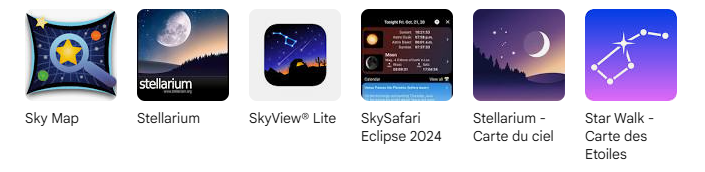
Without advertising for anyone, I'll mention Sky Map, because I have a Samsung.
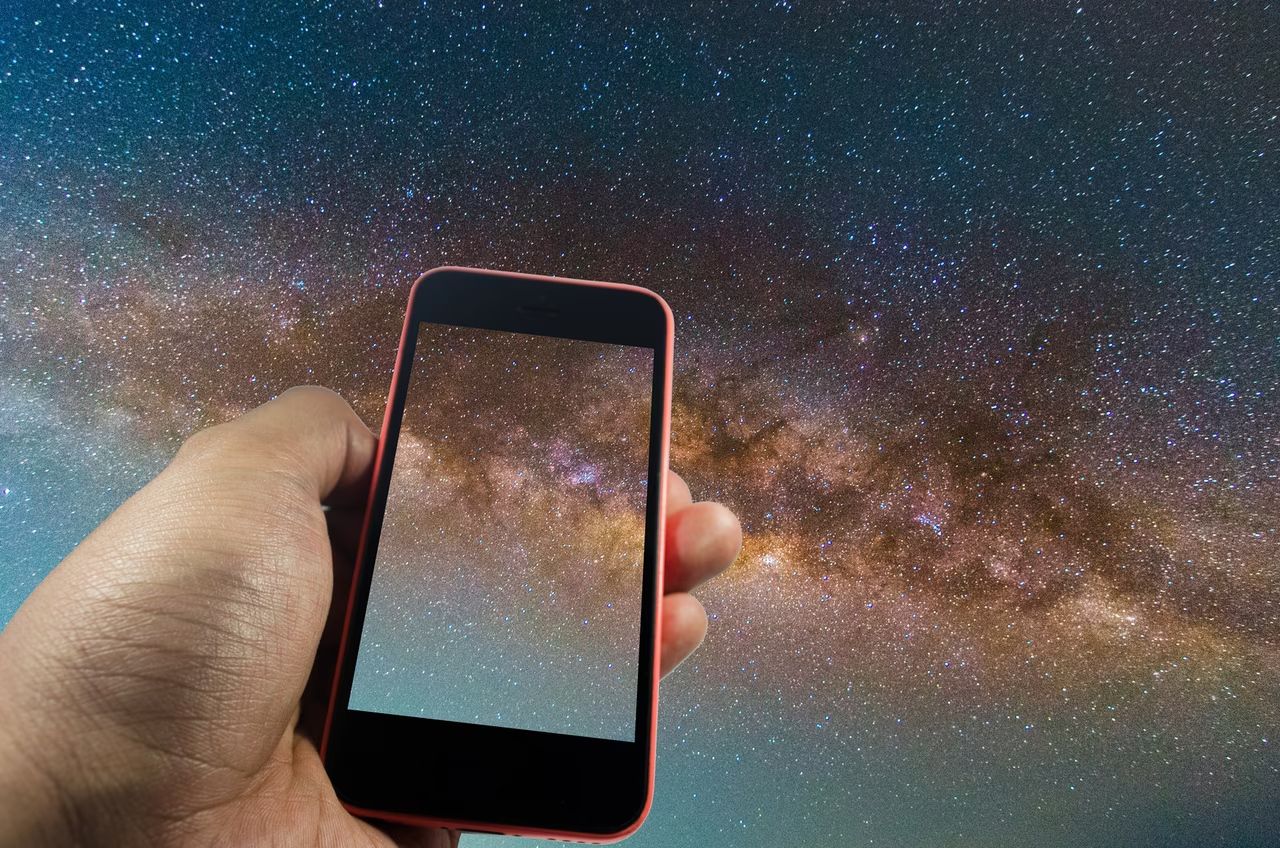
Throughout my evenings, I see people taking out their phones and comparing their screens with the actual sky they see. It's wonderful and a real evolution in practices. We'd never seen anyone come with a star chart before.
It's as if the sky is accessible to everyone and we have the tools to contemplate and study it.
Without advertising for anyone, I'll mention Sky Map, because I have a Samsung.
Throughout my evenings, I see people taking out their phones and comparing their screens with the actual sky they see. It's wonderful and a real evolution in practices. We'd never seen anyone come with a star chart before.
It's as if the sky is accessible to everyone and we have the tools to contemplate and study it.
Telescopes with GoTo
Another revolution in our daily lives as astronomers.
I'm old school, and like in elementary school, we learned that B and A during our BA classes, night after night, we learned the names of the stars, the constellations, and the movements of the planets, gazing up at the sky until our necks ached.
Afterwards, we tried to locate this or that object with the telescope. Invisible to the naked eye, we had to orient ourselves using slightly more visible stars and follow their path across the sky to find the object in question, which would then reveal all its beauty. Galaxies, nebulae, star clusters. What a pleasure it was to achieve that result!
Today, I see young people arriving at observing sites with telescopes equipped with GoTo. Fantastic. In the early evening, they align the telescope with two notable stars that they identify in the instrument's computer, and the rest of the night is child's play.
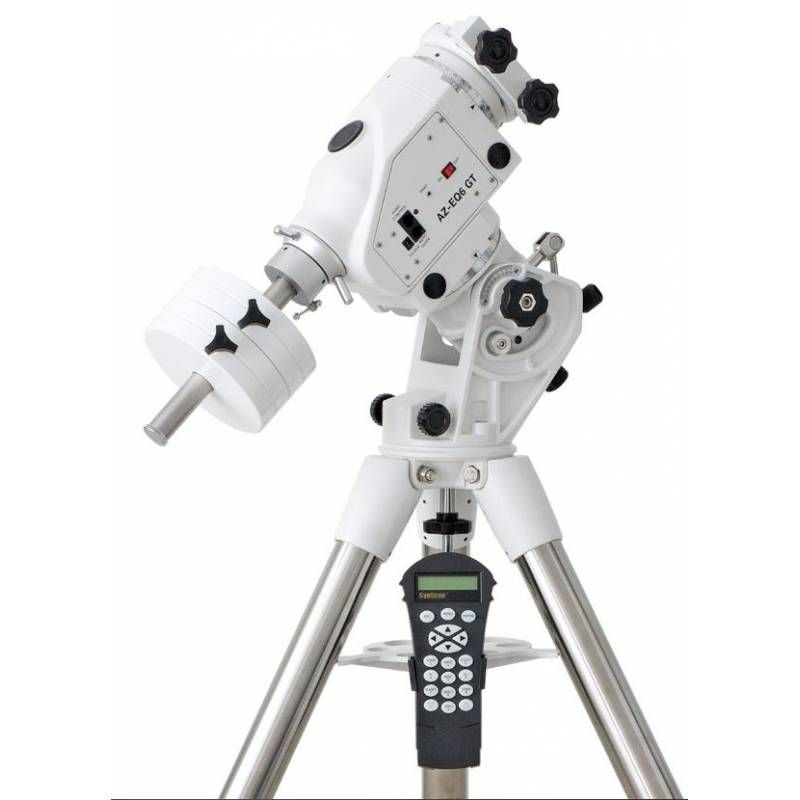
With the hand controller, they whirl about, moving from a planetary nebula to a distant galaxy, from a globular cluster to a diffuse object. It's marvelous. But do they really know the sky?
I'll refrain from offering an opinion, because my answer might make me seem like a jealous, spiteful old fogey, always grumbling that things were better in the old days.
It's a bit like comparing the wars of yesteryear, where you had to see the enemy to neutralize them with a bullet, or better yet, see their eyes to impale them with a bayonet, and the wars of today with drones that kill, piloted by people miles away, perhaps even in business suits. They're not comparable.
My simple aim, in my ongoing invitation, was to encourage you to turn your gaze back to the sky, to provide you with useful and effective tools to reconnect with the reality of the celestial vault.
Of course, most of us are of a certain age, if not quite, and our evenings are gifts that life still grants us for a while longer.
Carpe Diem. Let's enjoy this wonderful time.
As soon as the night appears enchanting, let's go out under the starry dome, with our eyes, our binoculars, our star charts, paper or digital.
I'll refrain from offering an opinion, because my answer might make me seem like a jealous, spiteful old fogey, always grumbling that things were better in the old days.
It's a bit like comparing the wars of yesteryear, where you had to see the enemy to neutralize them with a bullet, or better yet, see their eyes to impale them with a bayonet, and the wars of today with drones that kill, piloted by people miles away, perhaps even in business suits. They're not comparable.
My simple aim, in my ongoing invitation, was to encourage you to turn your gaze back to the sky, to provide you with useful and effective tools to reconnect with the reality of the celestial vault.
Of course, most of us are of a certain age, if not quite, and our evenings are gifts that life still grants us for a while longer.
Carpe Diem. Let's enjoy this wonderful time.
As soon as the night appears enchanting, let's go out under the starry dome, with our eyes, our binoculars, our star charts, paper or digital.
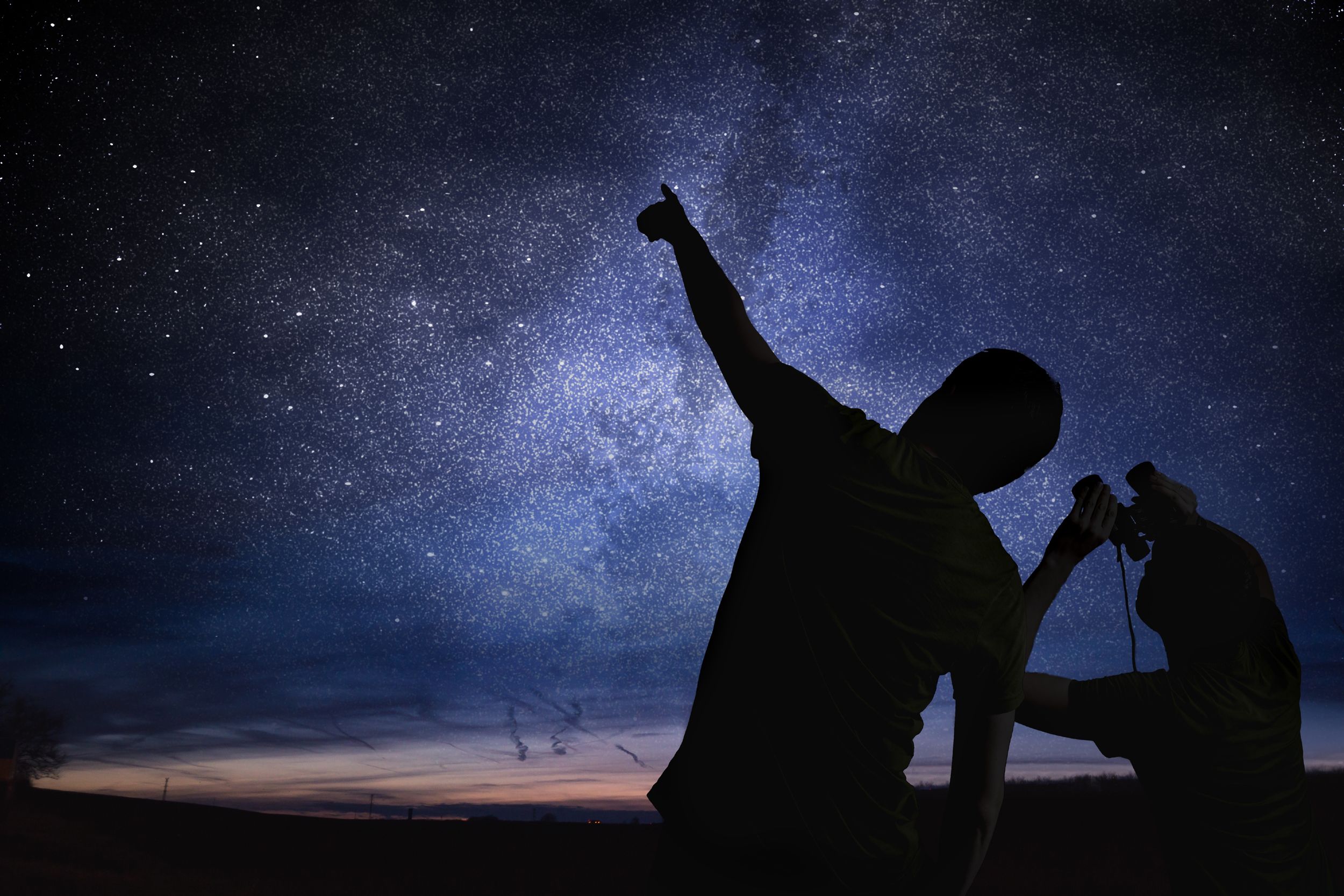
The ultimate experience is to invite a child, whether a relative or not, to draw them away from what consumer society offers and lead them toward a universal reality. From experience, I say: you'll be surprised; they'll be the ones telling you how to use your phone or computer under the sky.
Perhaps one day, in a moment of pure fantasy, when their childhood loved ones are gone, they too will turn to the stars and imagine, seeing them shine in the firmament, that they seem to recognize their Grandpa or Grandma. In this month of November, marked by remembrance, let us make the effort, against all scientific logic, to believe that the stars are but the souls of our dear departed, and so as not to forget them, instead of bowing our heads in mourning, let us raise them toward that immensity where all our wandering thoughts converge.
This is particularly fitting since, around November 18th, in the second half of the night, the sky will be streaked with shooting stars, the Leonids.
Perhaps one day, in a moment of pure fantasy, when their childhood loved ones are gone, they too will turn to the stars and imagine, seeing them shine in the firmament, that they seem to recognize their Grandpa or Grandma. In this month of November, marked by remembrance, let us make the effort, against all scientific logic, to believe that the stars are but the souls of our dear departed, and so as not to forget them, instead of bowing our heads in mourning, let us raise them toward that immensity where all our wandering thoughts converge.
This is particularly fitting since, around November 18th, in the second half of the night, the sky will be streaked with shooting stars, the Leonids.
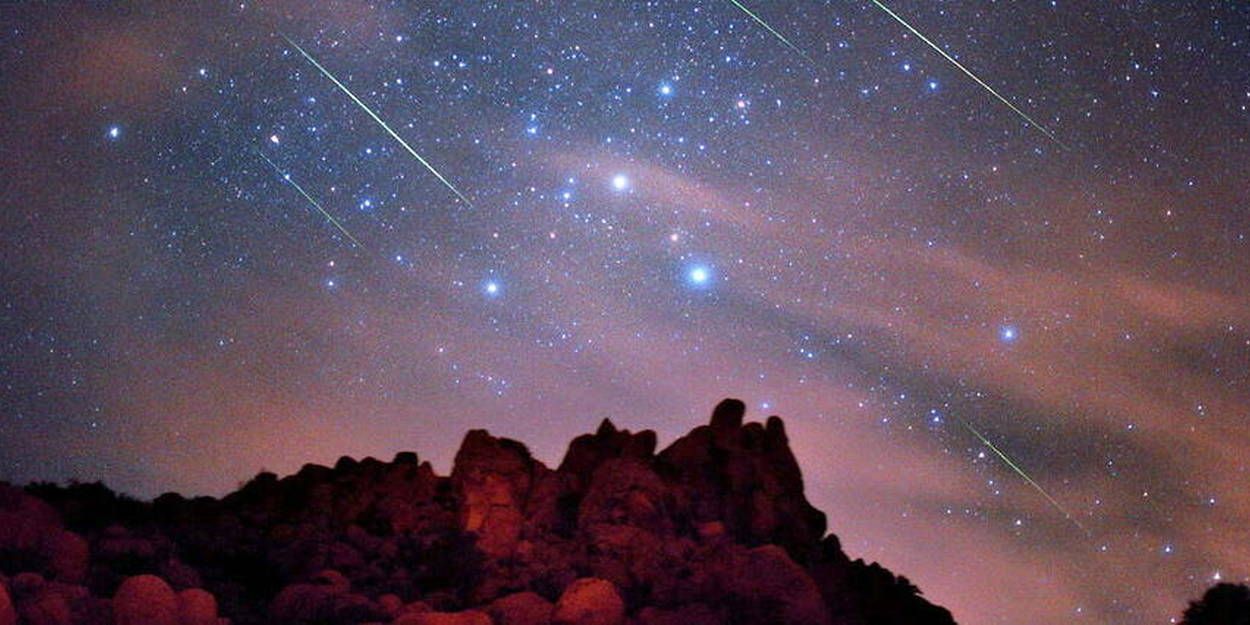
A perfect occasion for making wishes. I will make some for all of you.